


Overview:
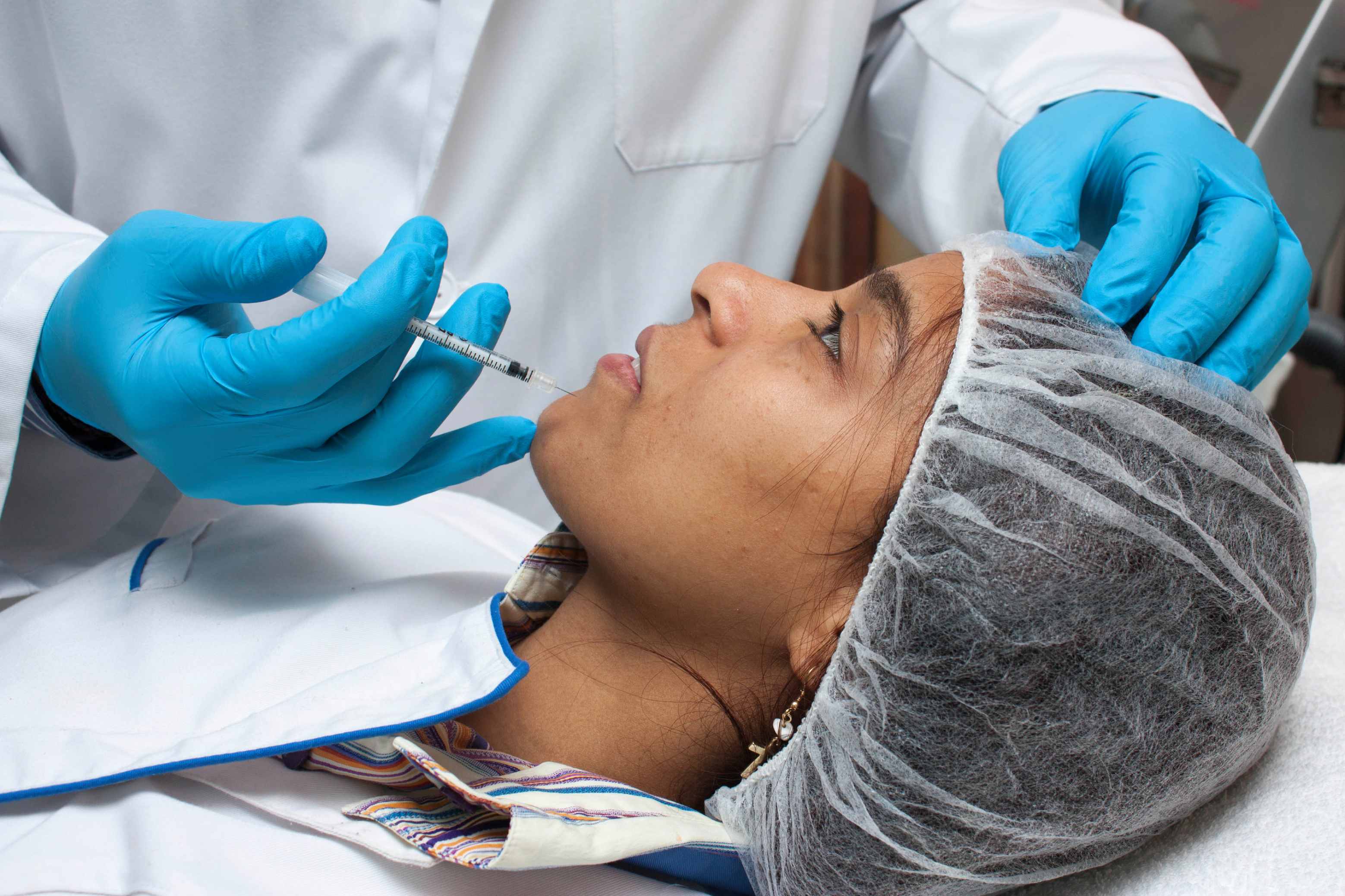
Temporomandibular Joint (TMJ) disorders affect the joint connecting your jawbone to the skull, leading to chronic pain, jaw locking, clicking sounds, and limited movement. Dr. Vikas Choudhary offers both non-surgical and surgical TMJ treatments in Udaipur, restoring jaw function and alleviating pain for patients across Rajasthan and India.
Who Is It For?
- Patients experiencing jaw pain or discomfort while chewing or speaking
- Individuals with clicking, popping, or locking of the jaw
- Those suffering from chronic headaches or earaches linked to jaw function
- Patients with arthritis or injury-related joint degeneration
- People who’ve tried non-surgical treatments with limited relief
Goals of the Procedure:
- Relieve chronic pain in the jaw, face, neck, or head
- Improve jaw movement and eliminate locking/clicking
- Restore symmetry and proper joint alignment
- Prevent further joint deterioration
- Enhance quality of life by restoring pain-free oral function
How It’s Done:
Treatment is based on severity. Initial approaches include splint therapy, physiotherapy, and medications. In more advanced cases, arthrocentesis (joint flushing), arthroscopy (minimally invasive surgery), or open joint surgery may be recommended. Dr. Vikas ensures thorough evaluation using imaging and bite analysis before proceeding.
Recovery:
Recovery depends on the type of procedure. Minimally invasive options offer quicker healing (1–2 weeks), while open joint surgeries may require 3–6 weeks. Post-operative physiotherapy helps regain strength and motion.
FAQs:
Q: Can TMJ disorder be cured permanently?
With accurate diagnosis and appropriate treatment, many patients experience lasting relief.
Q: Is TMJ surgery painful?
Surgery is performed under anesthesia. Post-op discomfort is managed with medications and subsides gradually.
Q: What happens if TMJ disorder is untreated?
It may worsen over time, causing chronic pain, reduced jaw function, and even facial asymmetry.
Leave a Reply